


English · Русский
I learned to write “Kirill Shebetov.” At a counter I can check every letter of my name against my passport. Later, alone, I ask myself, “Who am I?” and reach for the same page. I checked the spelling. I decided those letters could answer for me. I can give a description that same authority over someone else, or over what I see in the world.
I propose lifting the requirement to accept the words and numbers we learn as who we are, who other people are or what the world is. Whoever sets that requirement can lift it. Each of us can choose which words to learn and use, including the ones written here.
Read the proposal · Beforeword homepage · Get the AI instruction
Who Said I Had to Be These Words?
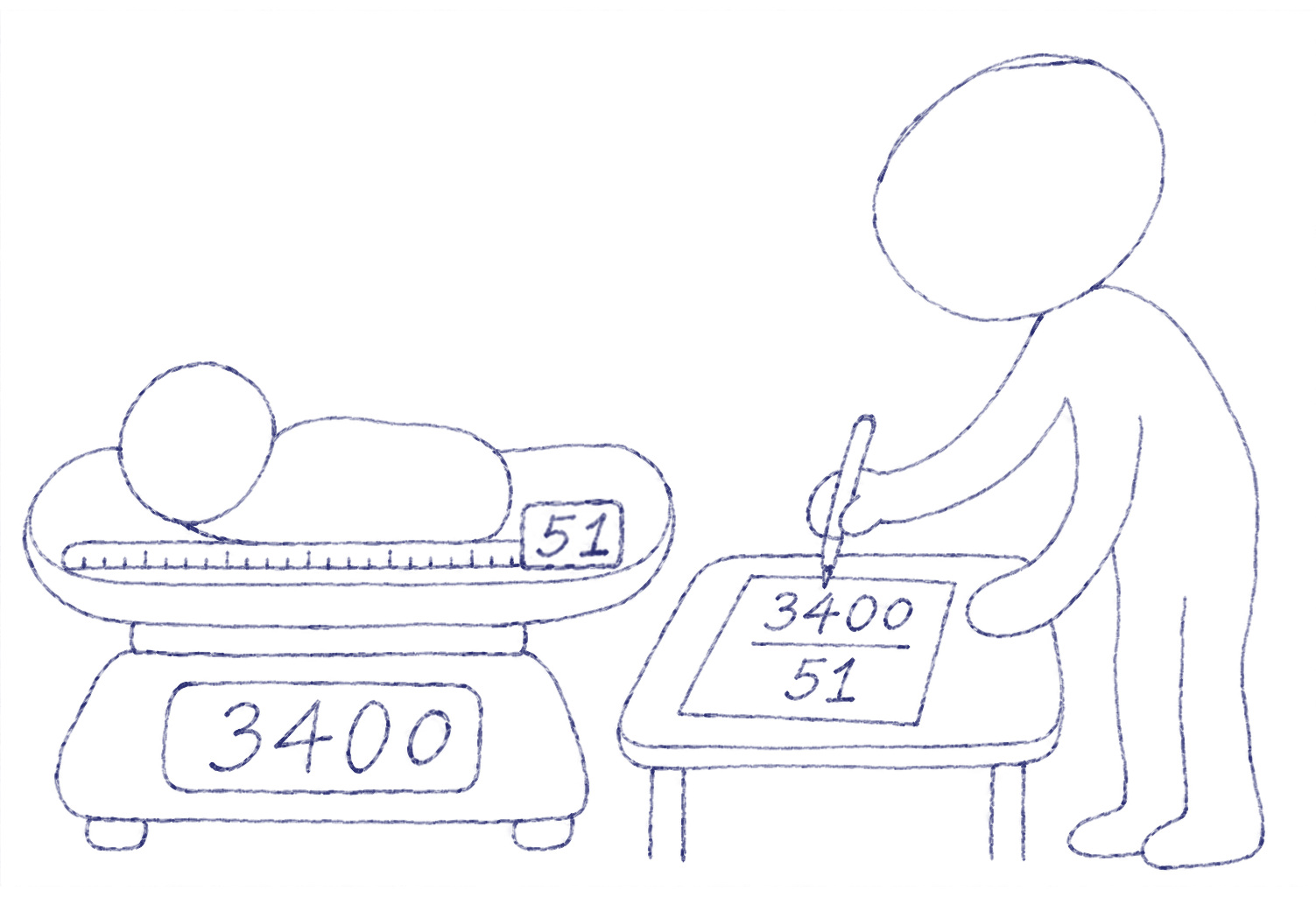
An adult copies 3400 from a scale onto a card. The baby is still on the scale. Years later I can point to the card and say, “That’s what I weighed.” What changes when I point to the same number and say, “That’s who I am”?
Read in English · Download the English PDF
- Watch Learned Words — I begin with Кирилл, the six letters of my name in Russian, and я, the word for “I”.
- Watch the animated films — each film has its own introduction and a choice of English or Russian.
- Listen to the music — my songs, lyrics and music videos.
- Explore the research — HUMAN follows how written instructions connect descriptions of people to decisions about them.
The instruction asks the model to keep the words you give it distinct from the interpretation it adds, including in its own answers. Copy the instruction or choose an edition on the site · Read the full English text on GitHub.
Text Mode lets you compare answers to the same task from the same model, with and without the Beforeword instruction. Beforeword Reader places the exact passage beside a proposed reading so you can see which words each contains.
- AI setup guide · Claude and OpenAI packages and directory status
- Browser extension and build instructions · Hugging Face connector
- Reader source and MCP tools · OpenAI Reader package
- Version recorded in this repository · Evaluation records
Public statement · Study on self-description and decisions · Correspondence archive